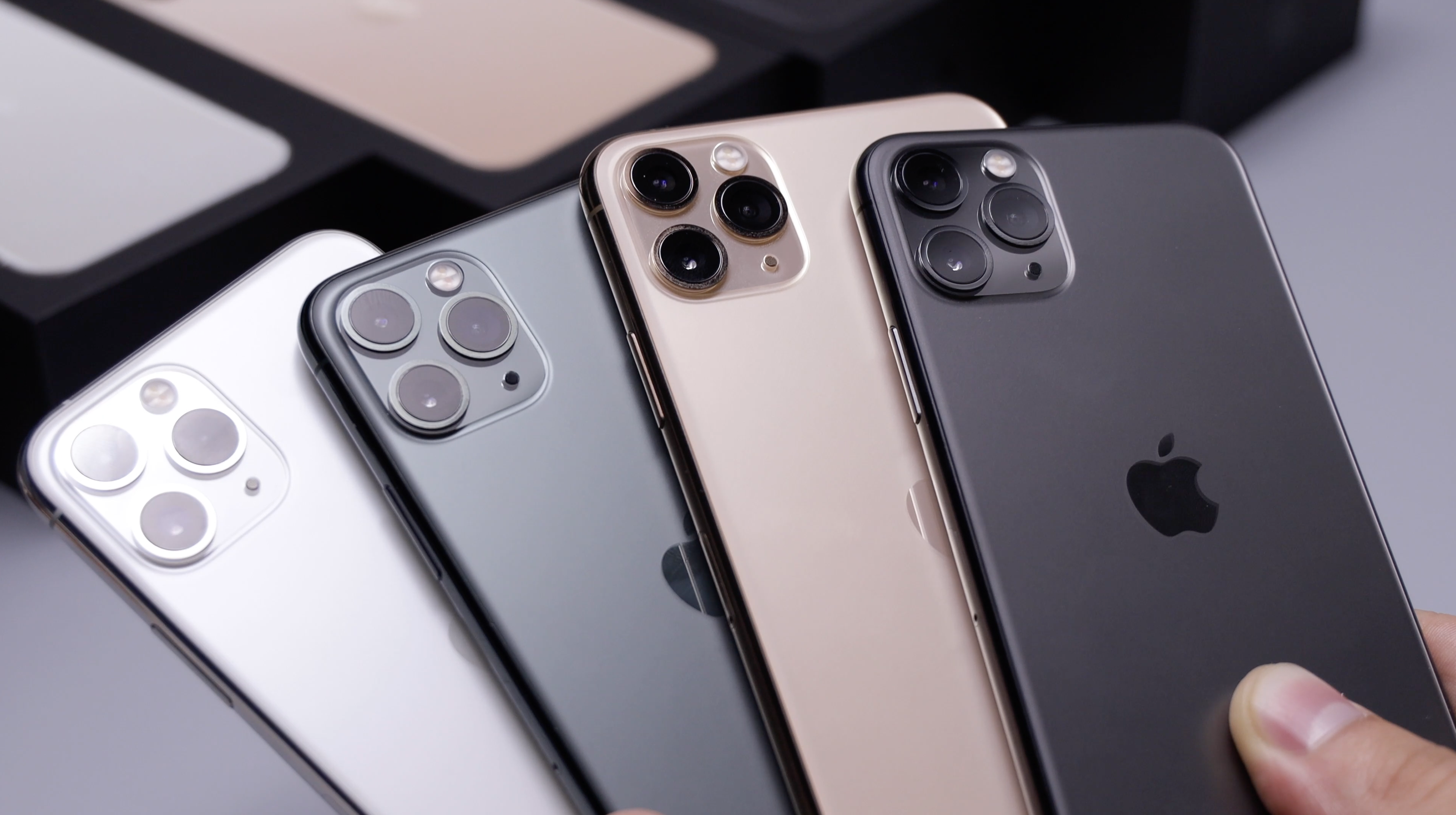
Introduction to the Mid-Range Mobile Market
The mid-range mobile phone market has surged in popularity, particularly in the ₹40,000 price bracket, which perfectly balances affordability and performance. In an era where smartphones play a pivotal role in daily life, consumers are increasingly seeking devices that not only meet their basic communication needs but also offer advanced features and seamless user experiences without breaking the bank.
This price range has become a focal point for many manufacturers, as it attracts a diverse demographic, including students, professionals, and tech enthusiasts. The significance of the ₹40,000 mark lies primarily in its ability to capture the aspirations of consumers who are not inclined to invest in flagship models but still desire devices that incorporate superior technology and functionality.
With the rapid evolution of smartphone technology, consumers now expect high-performance devices that can support demanding applications and multitasking. Users often prioritize features such as high-resolution displays, robust processors, ample storage, and advanced camera systems when selecting a mobile phone within this price range. Additionally, long-lasting battery life and efficient software are critical factors that enhance user satisfaction.
The growing demand for budget-friendly yet high-performing smartphones has prompted manufacturers to innovate aggressively. As a result, consumers can find various options that offer excellent value without compromising quality. This competitive landscape has resulted in a plethora of choices, empowering users to make informed decisions based on their specific requirements and preferences.
Overall, the mid-range mobile market, especially under ₹40,000, represents a vital segment that consistently meets the needs of an evolving consumer base, delivering a blend of performance, features, and affordability that is hard to resist.
Criteria for Selecting the Top Mobile Phones
When evaluating mobile phones within the budget of ₹40,000, several criteria must be taken into account to ensure a well-rounded selection. First and foremost, performance is a key factor; this encompasses the smartphone’s processor, RAM, and overall responsiveness. A phone equipped with a powerful chipset and adequate memory not only promotes smoother multitasking but also enhances gaming and multimedia experiences. Thus, a device with high-performance specifications should be prioritized.
Camera quality is another significant criterion for many users. Smartphones today are often utilized for photography, so features such as the number of lenses, megapixels, low-light performance, and image stabilization must be considered. A good balance between hardware and software enhancements, along with user-friendly editing options, can elevate the photography experience.
Battery life plays a pivotal role in the smartphone selection process as well. A device should ideally provide all-day usage with the ability to withstand regular activities without frequent charging. Larger battery capacities and efficient power management technologies contribute positively to user satisfaction.
Design and ergonomics also influence purchasing decisions. Aesthetically appealing designs paired with comfortable handling create a more enjoyable user experience. It is important to consider materials used, build quality, and overall dimensions when selecting a mobile phone.
User reviews offer invaluable insights into real-world performance and reliability. They can highlight issues not covered in marketing materials, thus helping potential buyers to make informed decisions. Lastly, brand reputation and after-sales service are essential; they indicate the likelihood of receiving assistance and timely updates post-purchase, contributing to the overall value of the smartphone.
Detailed Review of the Top Five Mobile Phones
In the competitive landscape of mobile phones below ₹40,000, five models have emerged as exceptional choices. This review will examine these devices based on specifications, distinctive features, pros and cons, and user experiences to highlight their standing.
1. Samsung Galaxy M32 5G
The Samsung Galaxy M32 5G stands out with its MediaTek Dimensity 720 processor and a vibrant 6.5-inch AMOLED display. The phone offers a quad-camera setup featuring a 64MP primary sensor, ensuring stunning photo quality. Users appreciate its robust 5000mAh battery, providing all-day usage without frequent recharging. However, some users mention that the camera performance can be inconsistent in low light.
2. Xiaomi Mi 11 Lite NE
Weighing only 158g, the Xiaomi Mi 11 Lite NE delivers an impressive 108MP main camera and a Snapdragon 778G chipset. The phone’s lightweight design is complemented by a 6.55-inch FHD+ AMOLED display, making for an eye-catching experience. Users rave about its performance and battery efficiency. Some drawbacks include the lack of IP rating for water resistance and a relatively slower charging speed compared to competitors.
3. OnePlus Nord 2T
The OnePlus Nord 2T is powered by a MediaTek Dimensity 1300 processor, providing users with snappy performance. This smartphone features a 6.43-inch Fluid AMOLED display and a versatile triple-camera setup, including a 50MP main sensor. While many users commend its fast charging capabilities, they express concerns regarding the absence of expandable storage options.
4. Realme GT Master Edition
With a Snapdragon 778G chipset and a unique suitcase design, the Realme GT Master Edition captures attention. It has a 6.43-inch Super AMOLED display and a 64MP main camera. Users frequently highlight its balance of performance and style. However, the camera software could benefit from further optimization for better photo quality.
5. Motorola Edge 20 Fusion
The Motorola Edge 20 Fusion features a Snapdragon 778G, 6.7-inch OLED display, and a 108MP camera. Its battery life is commendable, supporting a full day of usage. While praised for its performance, some users note minor issues with the camera’s processing speed under specific conditions.
Each of these mobile phones demonstrates excellent craftsmanship and performance in the under ₹40,000 segment. Their unique features cater to a diverse user base, highlighting their strengths and limitations in practical usage scenarios.
Conclusion and User Recommendations
Based on the analysis of the top five mobile phones available under ₹40,000, it is apparent that there is a diverse range of options catering to various user needs. Each device has its unique feature set, making it essential for consumers to consider their specific requirements before making a purchase. For users primarily interested in gaming, opting for a smartphone with a powerful processor and high-refresh-rate display, such as the ones highlighted, would enhance the overall gaming experience significantly. Devices with advanced cooling systems also provide longevity during extensive gaming sessions.
Photography enthusiasts looking for superior camera performance should focus on models equipped with multiple lenses and high megapixel counts. Features such as night mode and optical image stabilization can greatly influence the quality of images captured in low-light conditions. Hence, users who prioritize photography should consider those models which excel in this category.
For general users who seek a balanced performance for everyday tasks such as browsing, social media, and streaming, it is advisable to select phones that offer a well-rounded feature set without compromising on battery life and display quality. The models that provide a mix of performance and user-friendly interfaces tend to cater well to this demographic.
Lastly, it is prudent to review individual budget constraints while purchasing a mobile phone. While the options available under ₹40,000 are diverse, aligning personal preferences and financial limits will help in narrowing down the ideal choice. Ultimately, a thorough understanding of one’s preferences will facilitate an informed decision, leading to satisfaction with the device chosen.